

Marley Gutter External Angle Square
Marley Gutter External Angle Square
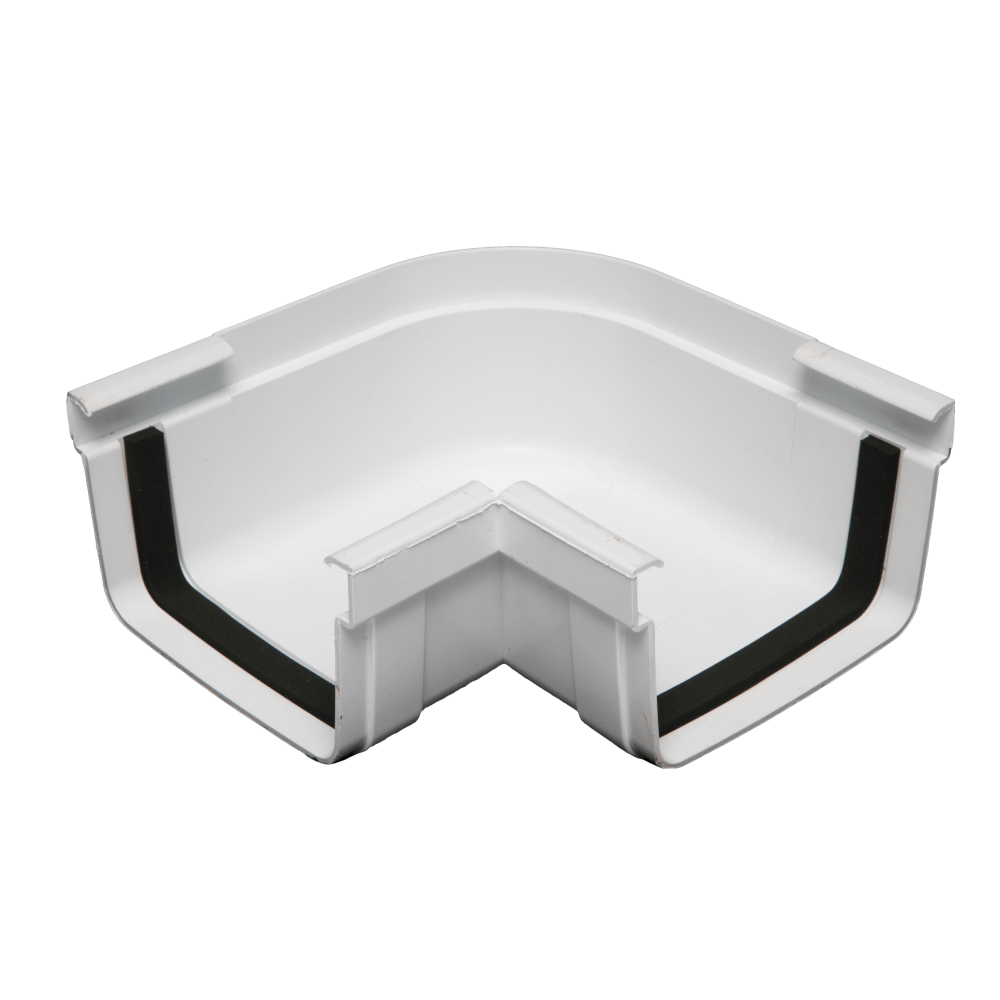
A gutter external angle square lets us join gutter runs at a building’s outside corner, ensuring precise 90-degree alignment for smooth, leak-free water flow. By choosing the right material—like PVC, aluminum, steel, or copper—we get durability and reliable performance. Proper installation means measuring carefully, dry-fitting, sealing seams, and fastening snugly. We always watch out for gaps or overtightened connections. Stick with us and you’ll pick up essential tips for fitting and maintaining a flawless gutter corner. Construction Hyper
Key Takeaways
- A gutter external angle square connects gutter sections at external corners, ensuring a continuous and leak-free rainwater path around 90-degree bends.
- Precise measurement and alignment with this fitting are essential to prevent leaks, gaps, and misalignment at exterior gutter junctions.
- External angle squares are made from materials like PVC, aluminum, galvanized steel, or copper, each offering different durability and appearance.
- Proper installation involves measuring the corner, dry-fitting, sealing seams, and securing the angle square with clips or fasteners.
- Common mistakes include inaccurate measurement, skipping dry-fit, overtightening fasteners, and using unreliable tools, all of which can compromise gutter performance.
Understanding the Purpose of a Gutter External Angle Square
A gutter external angle square is a specialized fitting that connects two sections of guttering at an external corner, typically where walls meet at a 90-degree angle. When we’re planning our gutter design, we need to account for these outside corners to maintain a continuous path for rainwater. The external angle square guarantees that our gutters fit tightly and function as intended, without awkward gaps or misalignments. Accurate angle measurement is vital here; even a small deviation can disrupt the water flow and lead to leaks. By understanding this fitting’s role, we’re better equipped to create an efficient system. It’s not just about joining two pieces—it’s about maintaining the integrity of the entire gutter system at critical exterior junctions. For those tackling gutter installation, having access to expert advice can help ensure you select the right components and achieve a reliable, watertight fit.
Key Benefits of Using External Angle Squares in Guttering
When we install guttering around our homes, using external angle squares brings several key advantages that streamline the process and boost the system’s performance. First, they enable precision measurement at every corner, so we can align each section of guttering accurately. This attention to detail prevents leaks and guarantees water flows smoothly through the system. By using external angle squares, we achieve seamless fitting between adjoining gutter pieces, eliminating awkward gaps or overlaps. This not only looks neater but also enhances the gutter’s efficiency in channeling rainwater away from our property. Relying on these fittings means we spend less time making adjustments and more time getting a high-quality result. Ultimately, external angle squares help us create a reliable, professional-looking gutter system.
Materials and Durability Considerations
While selecting external angle squares for guttering, we need to pay close attention to both the materials used and their durability. The material types available typically include PVC, aluminum, galvanized steel, and occasionally copper. Each material type offers different advantages and influences durability factors such as weather resistance, corrosion, and lifespan.
- PVC: Lightweight, rust-resistant, affordable, but can become brittle in extreme temperatures.
- Aluminum: Rust-resistant, lightweight, easy to install, but prone to denting.
- Galvanized steel: Strong and durable, but may corrode if the protective coating wears off.
- Copper: Extremely durable and visually distinctive, but expensive and requires skilled installation.
By weighing these material types and durability factors, we can guarantee our guttering system remains reliable and effective for years.
Step-by-Step Guide to Installation
Installing an external angle square for your gutter system involves several straightforward steps that guarantee a secure and watertight fit:
- Measure the angle at the building’s corner using a reliable tool, confirming the external angle square matches the junction precisely.
- Clean the gutter ends and dry-fit the angle piece to confirm alignment.
- Apply sealant along the inside seams before pressing the angle square firmly into place.
- Secure with clips or fasteners, ensuring connections are snug but not overtightened.
- Inspect the completed joint for gaps or misalignment, making adjustments as needed.
Following these steps assures a robust, leak-resistant gutter installation.
Common Mistakes to Avoid During Fitting
Even small oversights can compromise the gutter’s performance. Common mistakes include:
- Inaccurate measurement: Eyeballing or rushing measurements can cause leaks or poor drainage.
- Skipping dry-fit: Neglecting to test alignment before sealing can lead to gaps or tension in joints.
- Overtightening fasteners: This can warp the gutter profile and weaken the connection.
- Using unreliable tools: Poor-quality cutters or sealants reduce installation quality.
By avoiding these pitfalls, we guarantee our external angle square fits seamlessly and functions as intended.
Maintenance Tips for Long-Lasting Performance
Once fitted, regular maintenance ensures long-term reliability:
- Routine cleaning: Remove leaves, dirt, and debris at least twice a year.
- Seasonal inspection: Check for cracks, corrosion, or misalignment before heavy rains or snow.
- Tighten connections: Confirm bolts and joints remain secure.
- Repair promptly: Address minor cracks or damage immediately to prevent larger issues.
Frequently Asked Questions
Are Gutter External Angle Squares Compatible With All Gutter Types?
Not always. Compatibility depends on gutter profile, size, and material. Always check manufacturer guidelines.
Where Can I Purchase Gutter External Angle Squares Locally?
They are available at most hardware stores and home improvement retailers. Checking online inventories before visiting saves time.
How Do I Measure the Correct Angle for My Gutter Corners?
Use a protractor or angle finder for precise measurement before cutting or fitting.
Can I Paint Gutter External Angle Squares to Match My Gutters?
Yes. Clean the surface, apply primer, and use exterior-grade paint for durability.
What Tools Are Required to Cut or Modify Angle Squares?
Basic tools include a hacksaw, tin snips, or mitre saw, plus a file for smoothing edges.
Final Remarks
As we wrap up our journey around the corners of guttering, let’s remember—like any strong fortress, our homes rely on well-fitted defenses. By choosing the right external angle square, measuring carefully, and maintaining regularly, we ensure a gutter system that protects our property for years to come.
Would you like me to also prepare a condensed homeowner’s checklist version of this post, so it’s easier to follow during installation and maintenance?