

Superflex Control Valve
Superflex Control Valve: Comprehensive Technical Guide
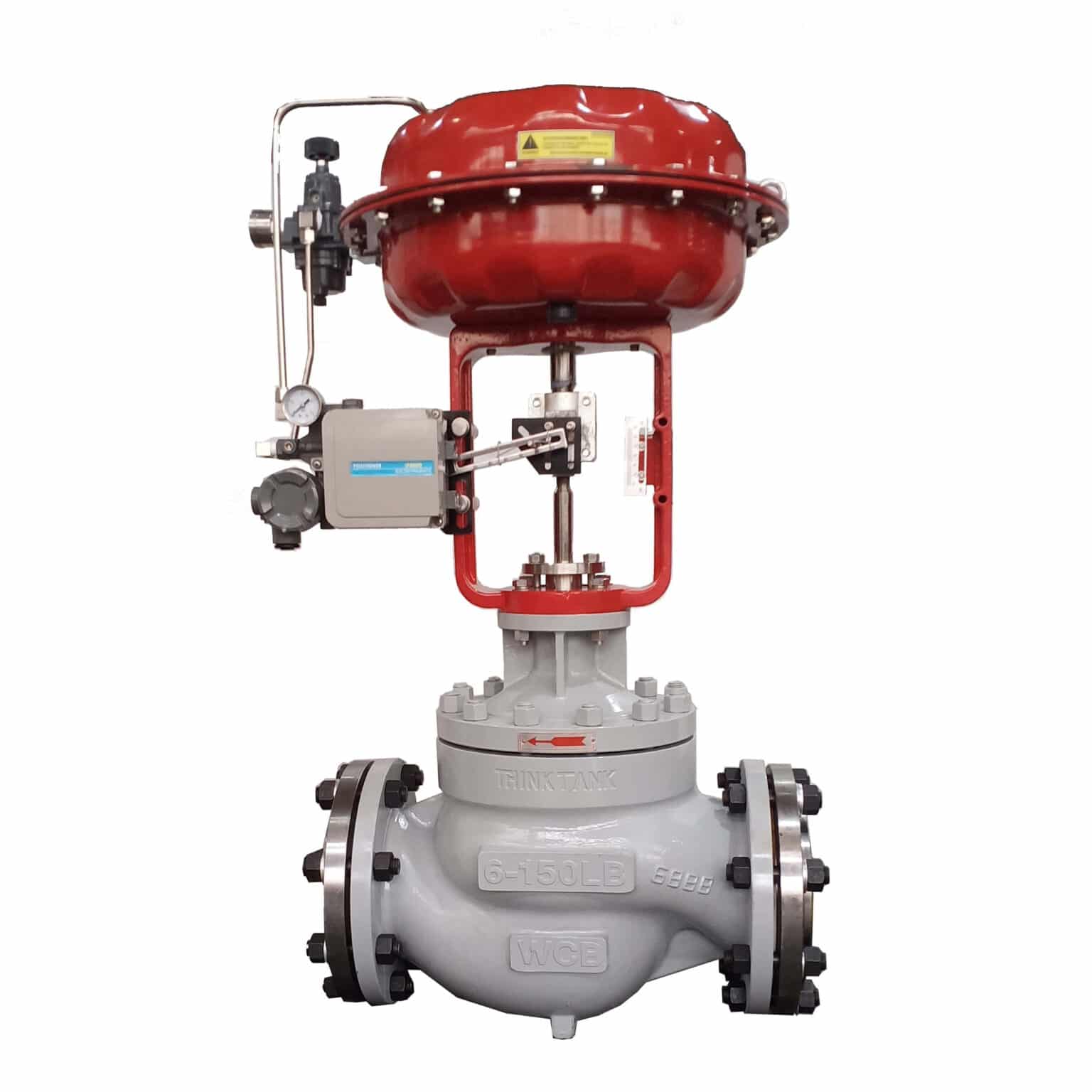
Structural Enhancements
-
Consistent Section Formatting
Numbered subsections (e.g., 2.1 Materials, 2.2 Construction Techniques) make it easier for readers to reference specific details. -
Comparison Tables
Tables comparing material options (stainless steel vs. carbon steel vs. alloys) with pros/cons, typical applications, and cost implications provide clarity. -
Checklists
Installation and maintenance steps presented as checklists empower technicians and DIYers to follow procedures without missing critical steps.
Suggested Additions
-
Performance Metrics Table
Include typical flow coefficients (Cv), pressure ratings, and temperature ranges to help users match the valve to their system. -
Troubleshooting Section
Add common issues (e.g., leakage, actuator misalignment, corrosion) with quick diagnostic tips and corrective actions. -
Regional Supplier Notes (Durban/South Africa)
Provide a short section listing reliable local suppliers or distributors for spare parts and coatings to make the guide more practical for your audience.
Style and Tone Refinements
-
Hands-On Language
Reinforce practical phrasing with “Pro Tips” callouts, for example:Pro Tip: Always flush the line before installation to prevent debris damage.
-
User Empowerment
Emphasize how proper installation and maintenance extend service life and reduce costs, resonating with both professionals and DIYers.
Example Table: Materials Comparison
| Material | Strengths | Limitations | Best Use Cases |
|---|---|---|---|
| Stainless Steel | Corrosion resistance, durability | Higher cost | Chemical processing, food lines |
| Carbon Steel | Cost-effective, strong | Prone to corrosion | Steam, non-corrosive fluids |
| Special Alloys | Tailored resistance, high pressure | Expensive, longer lead times | Abrasive slurries, extreme temps |
Example Checklist: Installation Best Practices
- Verify valve orientation matches flow direction.
- Check alignment and secure all fittings.
- Avoid overtightening connections to prevent leaks or damage.
- Inspect seals and gaskets for integrity before commissioning.
- Flush the line to remove debris prior to installation.
Example Troubleshooting Guide
| Issue | Possible Cause | Corrective Action |
|---|---|---|
| Leakage at joints | Overtightened or damaged seals | Replace seals, recheck torque settings |
| Actuator misalignment | Improper installation | Realign actuator, verify mounting bolts |
| Corrosion on surfaces | Incompatible material selection | Switch to stainless steel or coated alloy |
| Reduced flow efficiency | Debris accumulation | Flush system, clean valve internals |
Final Remarks
By integrating structured formatting, comparison tables, checklists, and troubleshooting guidance, the Superflex Control Valve guide becomes a comprehensive technical reference. These refinements ensure consistency across your series of hardware documentation, empower users with practical steps, and provide regionally relevant supplier notes for added value. so each product document follows the same structure with sections for design, materials, performance, troubleshooting, and supplier notes? This would give your series a unified professional identity.

