

Electric Screwdriver
Electric Screwdriver
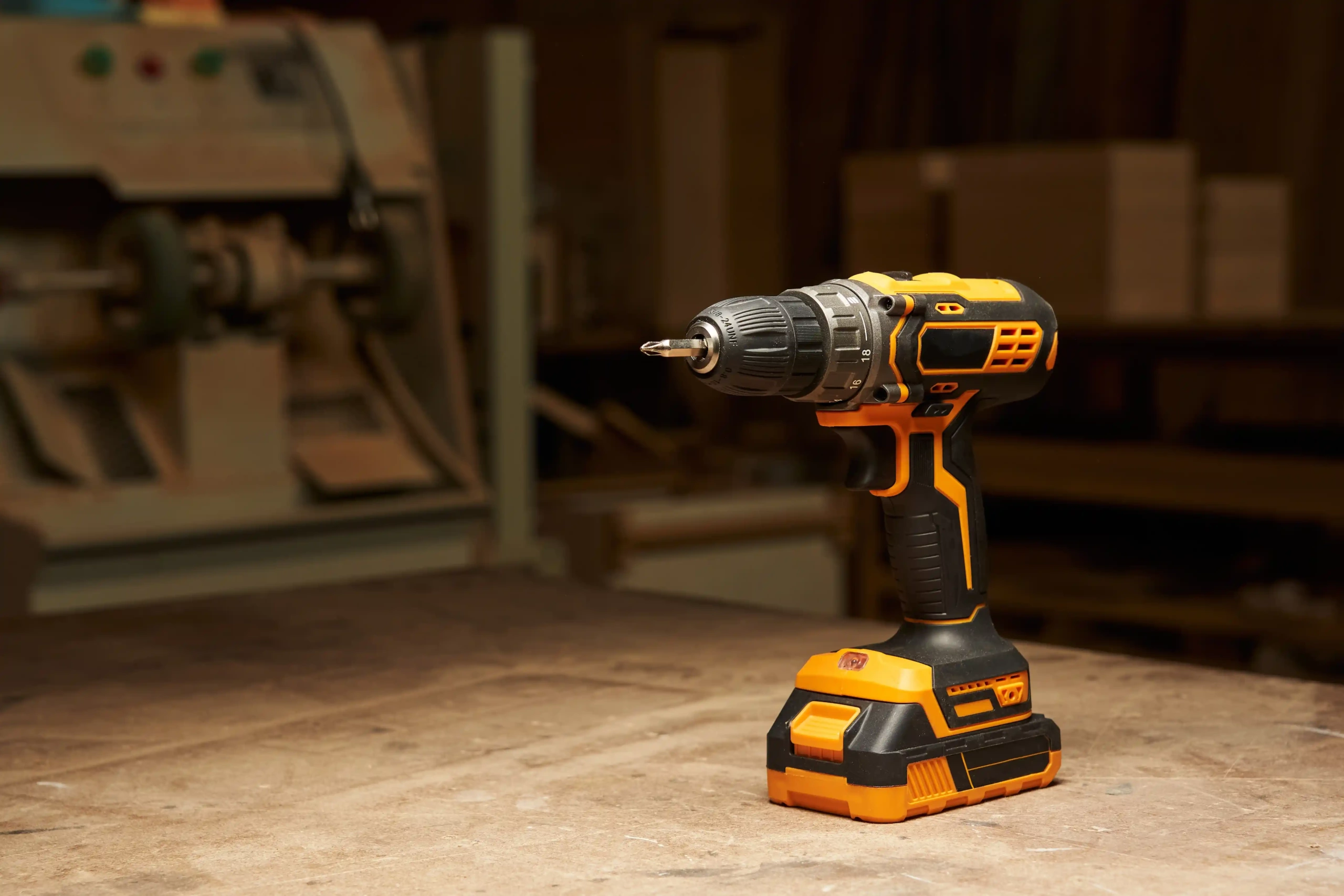
An electric screwdriver is your go-to tool for driving screws quickly, easily, and with far less effort than manual tools. With just a pull of the trigger, the motor delivers smooth, consistent power—while adjustable torque settings help protect your materials and screws from damage. Many models include ergonomic grips, cordless convenience, and even LED lights for better visibility in tight spaces.
Perfect for everything from assembling furniture to electronics repair, this versatile tool is a must-have in every toolkit. Ready to learn how to pick the right model, stay safe, and get the most out of your electric screwdriver? Let’s dive in.
Key Takeaways
-
Electric screwdrivers use motors and gears to drive screws efficiently with minimal manual effort.
-
Cordless options offer portability; corded models provide uninterrupted power for long jobs.
-
Adjustable torque prevents stripping screws and damaging delicate materials.
-
Quick-change chucks and interchangeable bits allow for versatile use and smooth workflow.
-
Routine cleaning and battery maintenance extend the tool’s lifespan and ensure safety.
How Electric Screwdrivers Work
Press the trigger, and your electric screwdriver comes to life. The motor converts battery power into rotational force, which is transferred through a gear system to turn the screwdriver bit.
This gear system multiplies torque and controls speed, so you can drive screws cleanly—even into tough materials like hardwood or dense plastics.
Most models feature adjustable torque settings, which let you fine-tune the amount of force. Lower torque is ideal for delicate materials and electronics, while higher torque helps with heavy-duty fastening.
It’s the combination of motor, gearing, and torque control that makes electric screwdrivers so effective for a wide range of jobs.
Key Features to Look For
To find the best electric screwdriver for your needs, focus on these essential features:
-
Torque Settings: Adjustable torque prevents overdriving and protects your materials.
-
Battery Life: Look for models with long-lasting batteries for uninterrupted work.
-
Ergonomic Handle: Comfortable grips reduce fatigue during extended use.
-
Lightweight Design: A well-balanced tool is easier to control, especially in tight spaces.
-
LED Lighting: Integrated lights improve visibility in dim work areas.
-
Quick-Change Chuck: Makes switching bits fast and simple, saving time on the job.
Prioritize features based on the types of tasks you do most—comfort and control are key.
Types of Electric Screwdrivers
Electric screwdrivers come in different shapes, sizes, and power types. The two primary types are:
Cordless Models
These run on rechargeable batteries and are ideal for portability and convenience. They’re perfect for around-the-house repairs, furniture assembly, and on-the-go work where outlets aren’t available.
Corded Models
These plug into standard wall outlets and offer uninterrupted power, making them better suited for extended use or heavy-duty applications.
You’ll also find a variety of grip styles, such as:
-
Inline: Slim, pen-like for precision tasks.
-
Pistol-Grip: More powerful, designed for comfort and control.
Understanding your workspace, power needs, and tasks will guide you toward the right model.
Top Benefits for DIYers and Professionals
Electric screwdrivers offer real benefits for both beginners and seasoned pros:
-
Speed and Efficiency: Finish jobs faster than with manual tools.
-
Reduced Fatigue: Let the motor do the work—your wrist will thank you.
-
Precision Control: Torque settings help you work safely on a range of materials.
-
Versatility: Compatible with a wide variety of bits for everything from wood to electronics.
-
Compact Convenience: Lightweight models are easy to store and carry between tasks.
Whether you’re building furniture, repairing appliances, or working on cabinetry, the electric screwdriver is a serious time-saver.
Maintenance and Safety Tips
To keep your electric screwdriver performing at its best:
-
Clean the Chuck and Bit: Wipe with a dry cloth after use to remove dust and debris.
-
Battery Care: Recharge before the battery fully drains and store in a cool, dry place. Avoid overcharging.
-
Inspect Regularly: Check for worn bits, loose parts, or battery issues before every job.
-
Use the Right Torque: Match the setting to the material to avoid stripping screws or overloading the motor.
-
Stay Safe: Always wear safety glasses and remove the battery or unplug the tool before changing bits.
Regular upkeep protects your investment and ensures safe, reliable use.
Choosing the Best Model for Your Projects
When shopping for an electric screwdriver, ask yourself:
-
What type of tasks do I tackle most often?
-
Will I need high torque for tougher materials or just moderate power for everyday use?
-
Do I want cordless convenience or prefer the consistency of a corded model?
-
Does the tool support a wide variety of bits and accessories?
Check brand reviews, compare warranties, and test how the tool feels in your hand. A lightweight, well-balanced model with good battery life will serve you well across countless projects.
Frequently Asked Questions
Can Electric Screwdrivers Be Used for Automotive Repairs?
Yes—but only for light-duty tasks. Use them to remove interior panels or assemble accessories, but avoid using them on high-torque bolts.
Are Electric Screwdrivers Safe for Use Around Children?
They should always be kept out of reach of children and used only under adult supervision. Like any power tool, they pose safety risks if mishandled.
How Environmentally Friendly Are Electric Screwdrivers?
While manual tools are more sustainable, electric screwdrivers with rechargeable batteries reduce waste compared to disposable battery-powered tools. Responsible charging and recycling help minimize environmental impact.
Can I Pack an Electric Screwdriver in Carry-On Luggage?
Most airlines do not allow power tools in carry-ons, even if battery-powered. Check current TSA guidelines and pack tools in your checked baggage to avoid issues.
Are Electric Screwdrivers Safe for Delicate Electronics?
Yes—if the model has low torque settings. Use caution and gentle control to avoid overdriving small screws or damaging sensitive components.
Final Remarks
With an electric screwdriver in your toolbox, everyday tasks become quicker, easier, and more enjoyable. No more sore wrists or stripped screws—just smooth, controlled fastening at the push of a button.
Whether you’re a weekend DIYer or a seasoned pro, this tool brings power, convenience, and versatility to your fingertips. Choose wisely, follow safety tips, and take good care of your equipment—and every project will feel like a breeze.
Now go ahead—tighten, fix, build, and conquer with your electric screwdriver!